Phimai Sanctuary
Phimai Sanctuary, Khorat, Thailand. |
|
A visit to the gilded temples and sanctuaries is the source of an amazing cultural experience in Thailand. Anyone who has been to the contemporary temples readily understands that color is a most important ingredient in their decoration. This is immediately apparent at the tourist friendly Wat Phra Keaw temple in Bangkok or the temple at Doi Suthep in Chiang Mai. The blindingly bright colors add to the mystic beauty as brilliantly as they reflect the tropical heat. A temple without reds, golds and greens would be like an old European cathedral without a great Rosetta window. In both cases, it certainly isn't necessary for spiritual enlightenment but it makes the journey more scenic and enjoyable.
However, anyone who has been on a whirlwind tour of Thailand knows that these temples, as beautiful as they are, can soon become too much of a good thing. A typical tour of Bangkok could include three or four of these temples a day. As with the cathedrals of Europe a fast and furious jaunt through many impressive structures, almost on the run, can leave one numb with cultural overload. A fatigued tourist may be left standing before the great Cathedral of Notre Dame, frantically snapping pictures, but actually thinking more of a hot foamy bath, than the high flying buttress. The same thing can happen in Thailand with an over ambitious tour from temple to temple and shrine to shrine. The beauty and culture and mystic aura of these grand contemporary temples are not to be ignored for any reason. Yet, an alternative exists in the ruins of temples and shrines from days of old. These offer a distinct beauty of their own and mysticism from an older era.
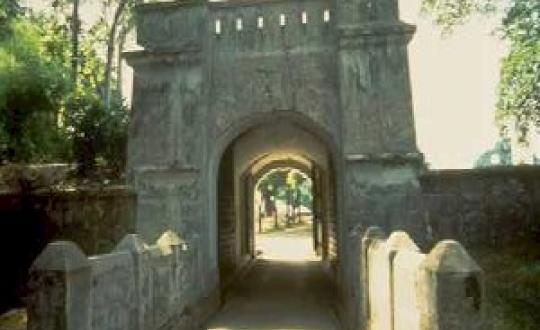
The first difference the visitor will notice between the contemporary temples and the ruin is, of course, the color. The bright reflective, rainbow colors of the temples are substituted with the earthy browns of stone and the greens of the grass and trees. Few ruins will be found in the crowded commercial districts. Most, in fact, are safeguarded from any kind of local development so they are usually located well off the beaten track. They are also, quite plentiful, thanks to Thailand's recognition of the importance of its heritage and subsequent excellent preservation programs. Throughout the northeast, Khmer temples of various size and state of ruin, dot the agricultural landscape. For the visitor who wants to see the most well known and talked about temple ruin, booking a flight to neighboring Cambodia's Angkor Wat is certainly a consideration. It is unquestionably a sight to see, but not entirely necessary. A less expensive, but as rewarding experience can be found in Phimai. You leave Bangkok for Khorat. This is a sizable city about 150 miles to the northeast of the capital. It is known as the gateway to Isaan (the Northeast). From here a short bus trip will take you to Phimai. This small town is a snapshot of the unique Northeastern Thai culture, but the real attraction is the sanctuary that includes the Angkor-period Khmer shrine. In fact, Phimai and the Angkor capital were connected by road at the height of the Angkor Empire. The sanctuary at Phimai is a fine local example of Khmer architecture.
The Phimai sanctuary is the largest stone sanctuary in Thailand. It was built during the 11th and 12th centuries A.D. The historical significance of the place is intriguing in itself. This Khmer satellite prefecture was a realm in its own right. It defended from invading hordes from every direction. Stories of shrewd political maneuvers and battles abound. Religion is steeped in the civil construct and vice versa. The courtyard outside the main temple would have seen daily commerce as well as families going to worship. There would have been monks teaching the children the ways of Buddha. This sight had a moral, spiritual and civil foundation firm enough to last to the modern day. However, if the walls are presently the only witnesses on sight with any tales to tell, they speak more of the Ramayana than of civil community. The Ramayana is an ancient epic tale stemming from India. It has evolved unique characteristics everywhere it has traveled. For Thais it is an intricate part of their Buddhism and their national identity. This great saga is right here on the walls for all to see.
At a distance the grounds are refreshing in their simplicity and stark visual surprise. At closer look a complex picture comes to life. The shapes of the towers are distinct and there, quite literally, is a picture book for your viewing pleasure. The story of Rama and his long-drawn-out conflict with Ravana are displayed in bas-relief throughout the inner courtyard. There are depictions of Shiva dancing and the great monkey army bearing the reclining Buddha. These bas-reliefs are in good condition and the craftsmanship is easily apparent. There is also an impressive image of King Jayavarman VII. It is located in the largest tower of the center courtyard, which he had constructed in the 13th Century. The images adorning the sanctuary are enticing to the scholarly as well as the recreational visitor. There is no need to feel intimidated by lack of knowledge of the history of this place. Also, there is no reason to not get an up close look at the incredible stonework.
The Phimai Sanctuary offers a relatively easy step off the beaten track. It offers an older brand of Thai culture that lacks the color of the new modern temples but certainly doesn't lack appeal. There are plenty of shady spots near the three ponds on the grounds. If you are lucky, clear skies and cool breezes will await you. Take a camera and a lunch and wait for the sunset.
Published on 8/25/01

[16 ratings]