 ThingsAsian
Gawai: Giving Thanks to The Gods
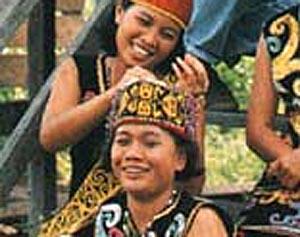
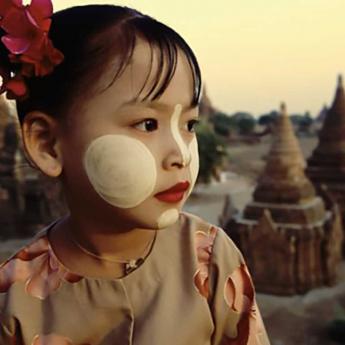
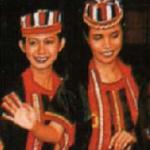
Girls Taking Turns to Dress Each Other Up.
Image © 2001 EL Wan
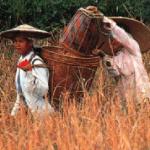

After months of hard work, the harvest is safely in. The indigenous people of
Time to Party
For many years, the Gawai festival has been a rhapsody of festivity, especially among the Bidayuh and Iban tribes still living in the interiors of
A Gawai Experience
As Malaysians living in the
Not Merely a Single Festival
Before relating my experiences at the Gawai Dayak, let me first explain that the Gawai Dayak is actually the final (and grandest) event among the seven main rituals which are observed, extending from the clearing of the land to planting and harvesting. The first six are observed to ensure the well-being of the crop in its successive stages and the last centers on the harvest celebration itself. The first is Gawai Olan, which is observed before the land is burnt and cleared for the padi. Here the high priestess accompanied by the village shaman, leads a ritual which drives away the bad spirits.
Rituals Conducted When Planting Too
Just after the burning but before the young shoots are planted, another ritual takes place to appease the spirits and drive away the evil spirits who linger. This particular ritual is called Gawai Sauh. Gawai Nuluk is observed before the first hole is made in the ground to plant the young shoots and there is a period of rest before Gawai Kup, which is held when the rice is in ready to be harvested. Gawai Palie' pu'un is observed after the harvest but the padi is still not out of danger and further prayers are held to appeal to the bad spirits to leave the harvested padi alone. The next stage, Gawai Pinupang is vital as it is a prayer ritual to ask for blessings if the harvested padi is not of a good yield. This ritual is also held to ask for a good harvest and blessings to be bestowed on the community.
The Big Celebration Commences
The final ritual for the whole circle of padi cultivation is Gawai Dayak, where the whole village celebrates on a grand scale. Instead of several villages getting together on the first weekend in June (the official Gawai Holiday), different villages actually take turns to celebrate the festival. Guests from other villagers or Sarawakians residing in the city will take turns visiting the different villages. So, there is basically a huge party almost every weekend in May and June!
Dos and Don'ts
The most important part of Gawai Dayak is played by the high priestesses or dayung boris who undertake the preservation and well-being of the rice spirit as well as conducting the elaborate rituals to ensure a successful harvest the following year. This high priestess is usually an elderly lady, well-respected by the entire clan, who are selected to conduct the festival. There is a meaning behind every single event done during the Gawai Dayak and all must be observed strictly. The locals believe that failure to observe omens and any mistake can result in an epidemic or some other form of destruction to the padi and the people.
Much To Prepare
Although many may think that the Gawai Dayak only commences at night-fall, preparations actually commence from dawn. Early in the morning, preparations for the Gawai Dayak are already underway. While the job of erecting the shrine and poles that resemble ladders for the spirits to descend to earth is left to the men and the shaman keeps a close eye on the proceedings, the priestess sit on long swings and sing in an archaic Bidayuh dialect. The shrine will hold an offering of the sadie which is presented to the gods to bestow blessing on the village. The sadie consists of rice and meat to appease the spirits. Nearby, a hut is put up by an enthusiastic team of volunteers, some who are Catholics and are merely observing the festival more a traditional than as a religious festival. Throughout the day, food and other necessities are prepared.
Celebrate the Night Away
By nightfall, mats are spread, the gongs and drums are brought out, jeans and t-shirts (yes, the villages don't wear their traditional costumes every day) give way to hand-woven costumes lavishly decorated with antique beads and silver. Distant relatives of my friends, who are still living in the villages, dress up in the traditional costumes. It was really fun watching them transform from ordinary girls to traditional Bidayuh ladies in the black costume and numerous jewelry.
Catchy Tunes
I really enjoyed the music; in comparison to the simple beat of the Iban gongs, the musicians wove a complex texture of rhythms that were almost Latin or
Good Food Too
While awaiting the arrival of villagers and visitors, a group of ladies unveiled a whole lot of Bidayuh food, which they have been preparing all morning. Apart from the usual chicken curry (more of a Malay influence), there were such exotic delicacies as tempoyak (fried fermented durian fruit), ikan kasam (fermented preserved fish with black beans) and a splendid pork and red bean stew, with whole cloves of garlic floating in the thick gravy. Together with these, everyone is offered a drink of tuak (the fermented rice wine).
The Ngajat
While all these is going on ladies and men in traditional costume performed the ngajat dance, which ended up as an instant teaching session since my friends and I have no idea how to do the ngajat at all. This dance is a very simple, rhythmic, strutting shuffle danced with the arms held up, and requiring little coordination or fitness on the part of the dancer. After a short lesson from the locals, the visitors were having much fun performing the dance than being mere spectators!
Grand Finale
Following all these drinking (the tuak have been depleting at a steady rate), and dancing, and as some people started to look a little sleepy, the high priestess announce that it is time for the final ritual of the Gawai Dayak. The time is now in the morning, and the nguguh is held. The shaman and the priestesses danced around the shrine holding the ajang to the accompaniment of the drums and gongs. The high priestess observes the entire ceremony, ensuring that all the rituals are performed correctly. Tobacco, rice and other commodities, which were previously wrapped in small bundles and left on the altar, are symbolically ?offered? to the Gods. The women participating in this ceremony started dancing away, looking as though they were in a trance. Suddenly, the women started falling down one by one. The villagers already know what to expect, and some were ready to support the ladies as they started falling.
Here's to A Successful Harvest!
As the village shaman announces the message related by the spirits by interpreting the entire ceremony. Then it was finally over, the culmination of more than six months of mediating with the spirits to ensure the well being of the community. Till another successful harvest next year!
* * * * *